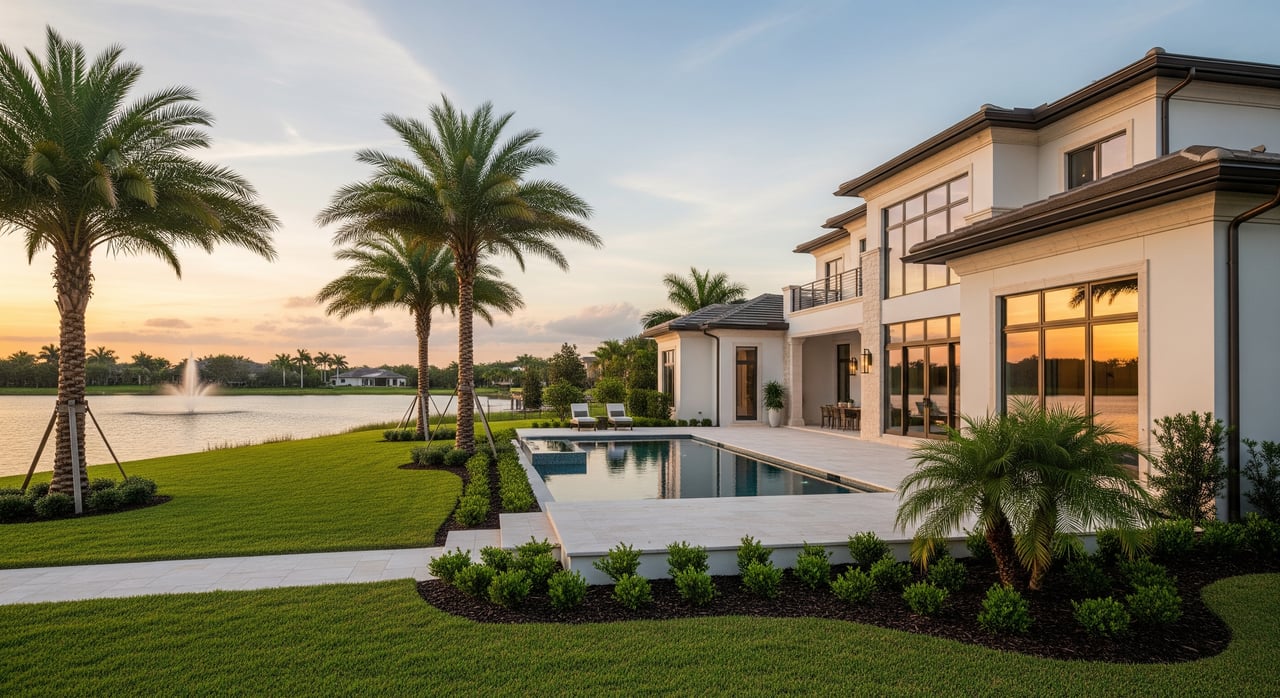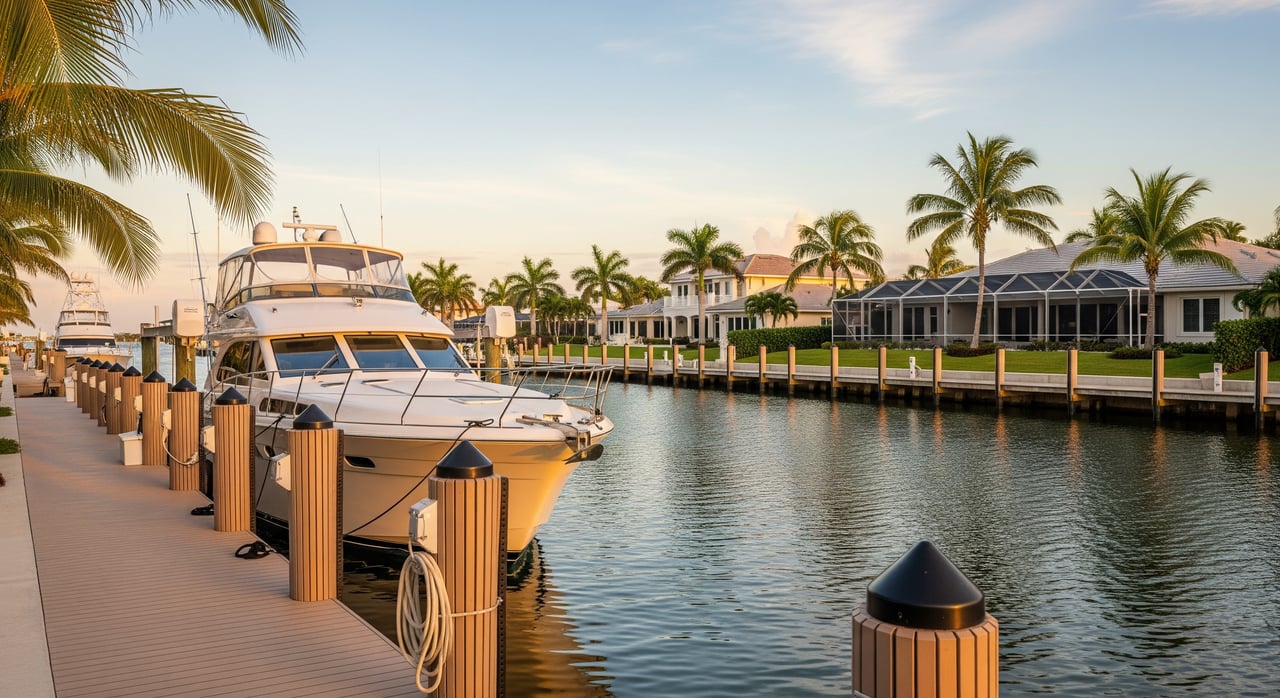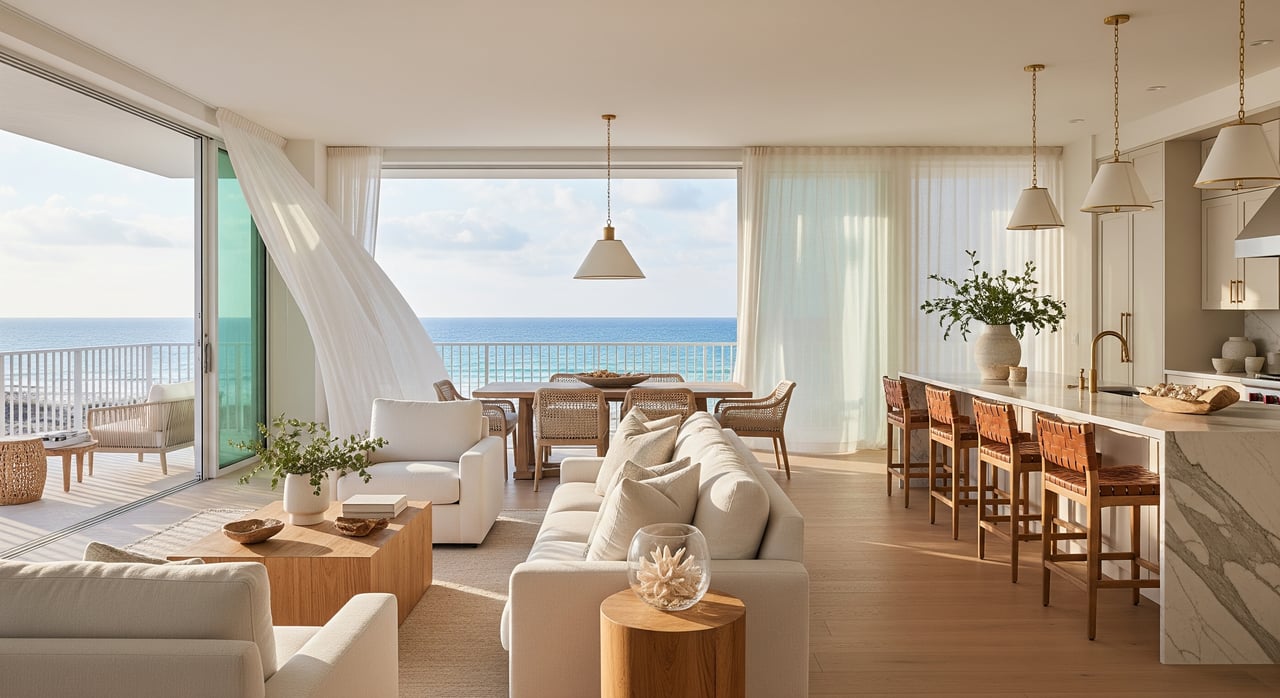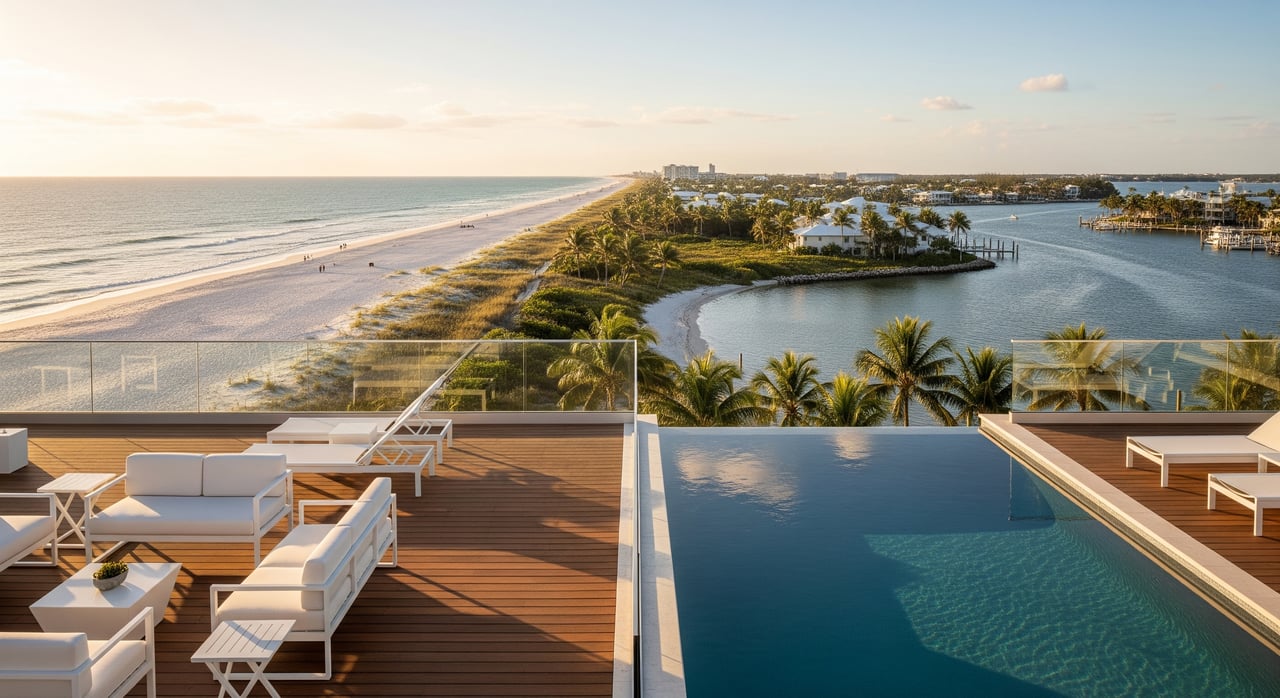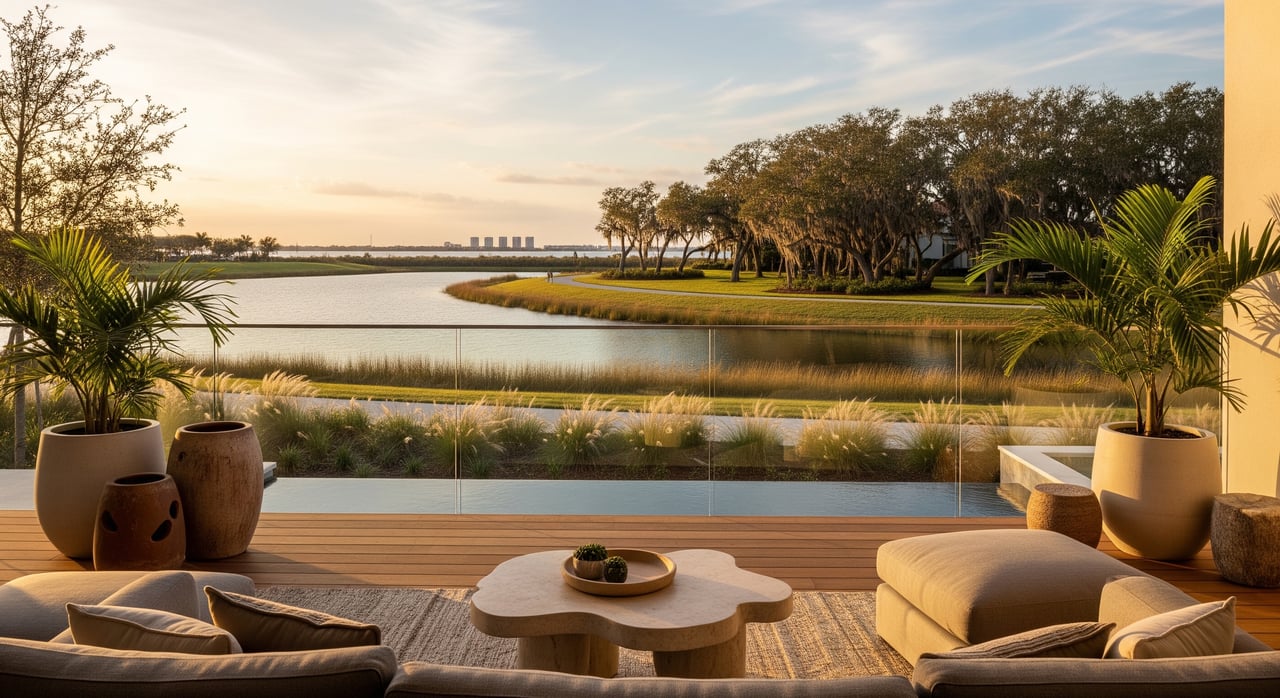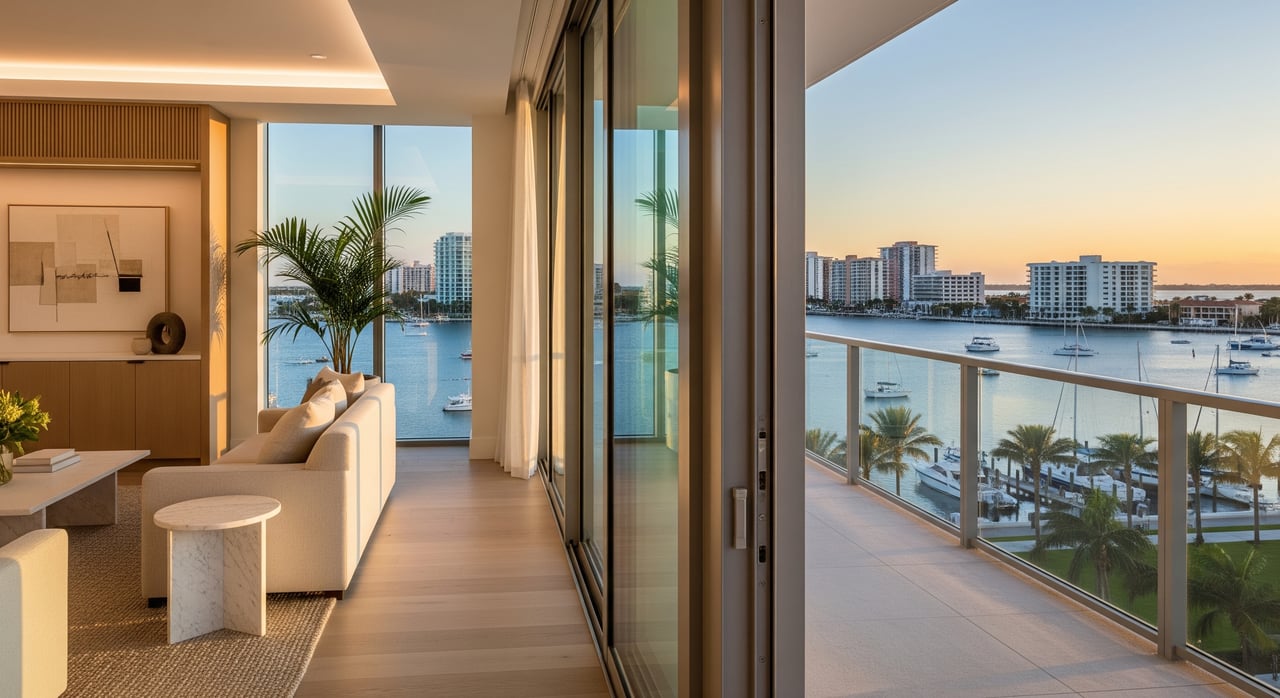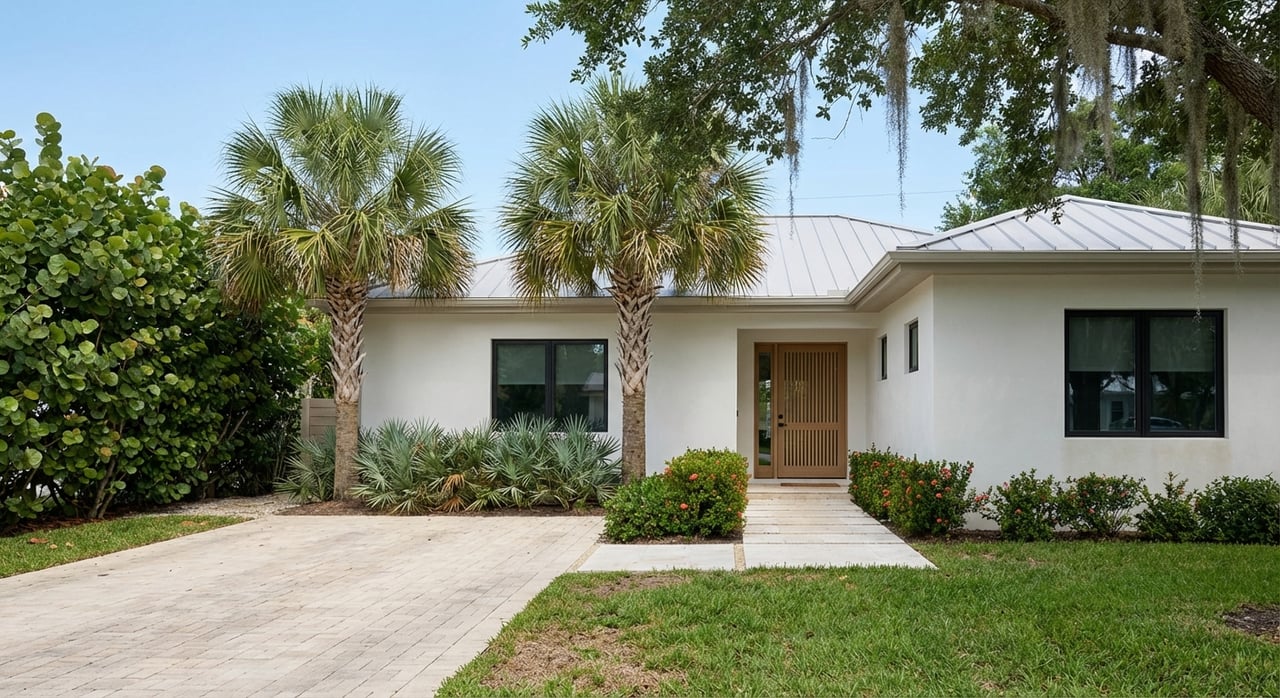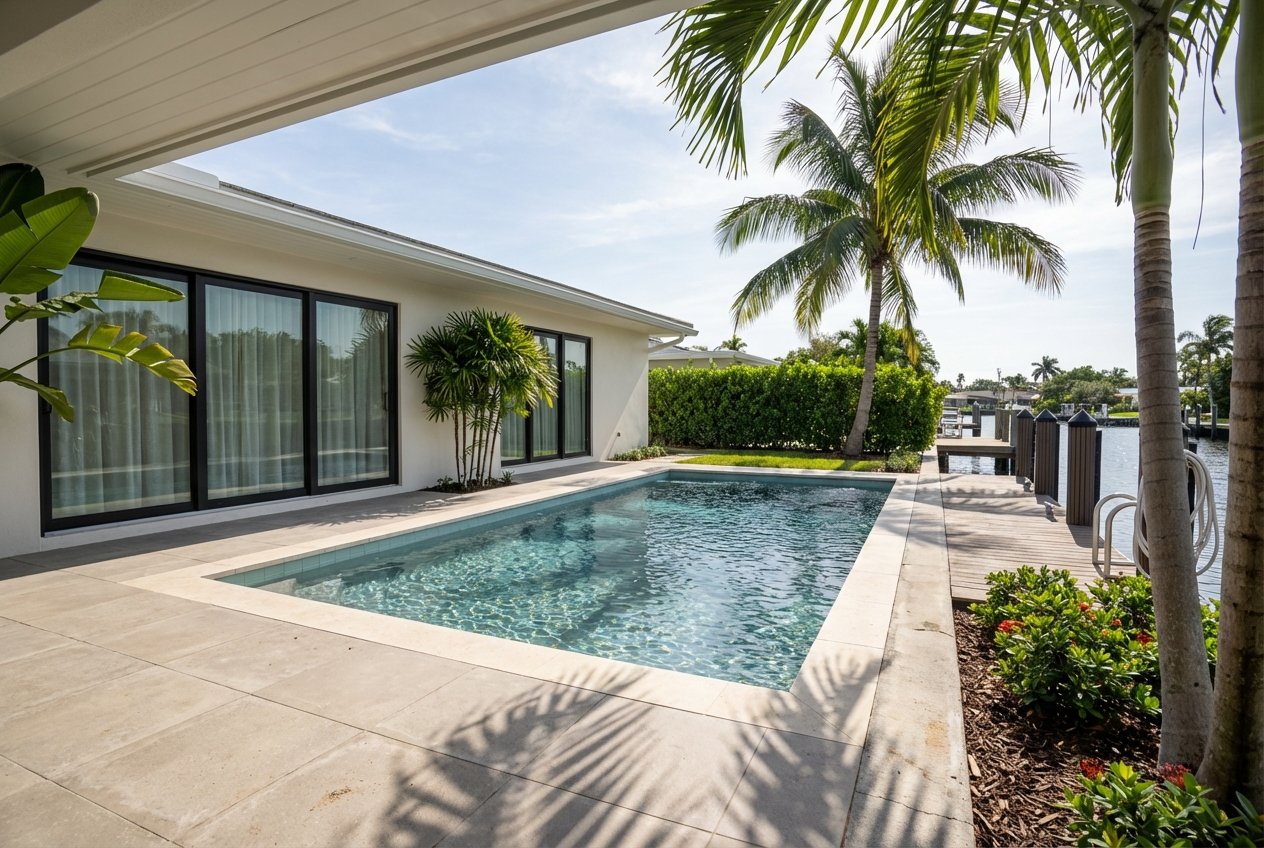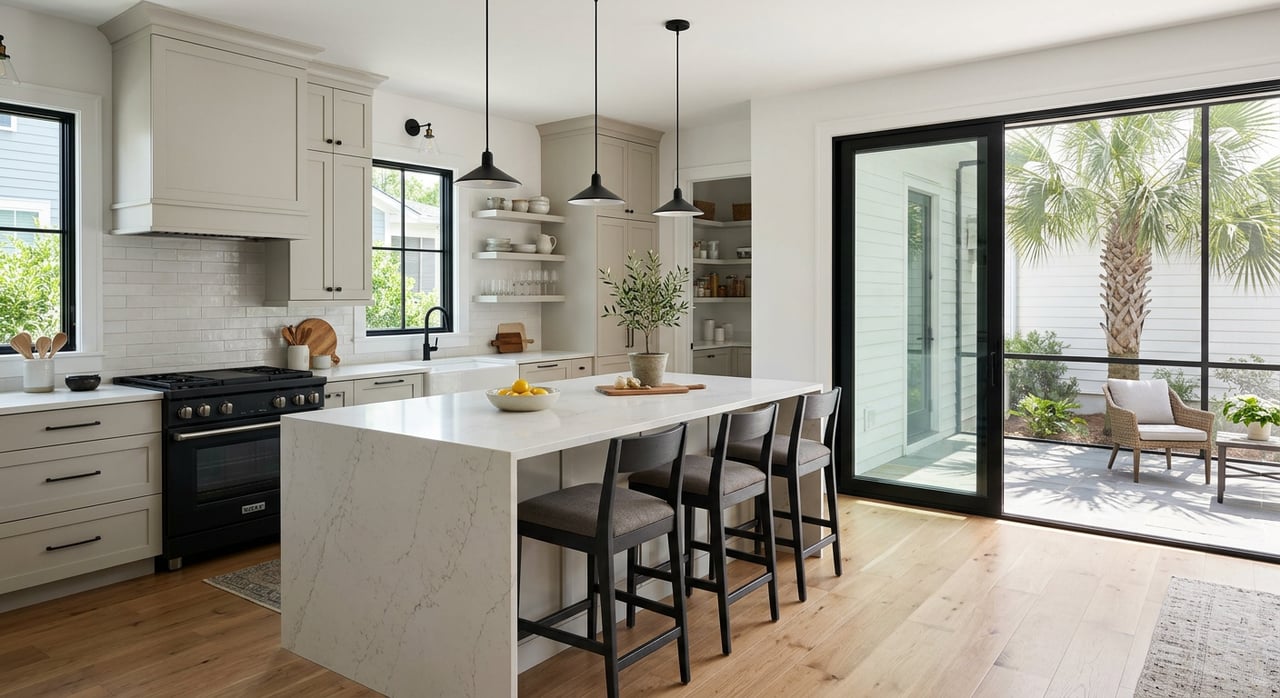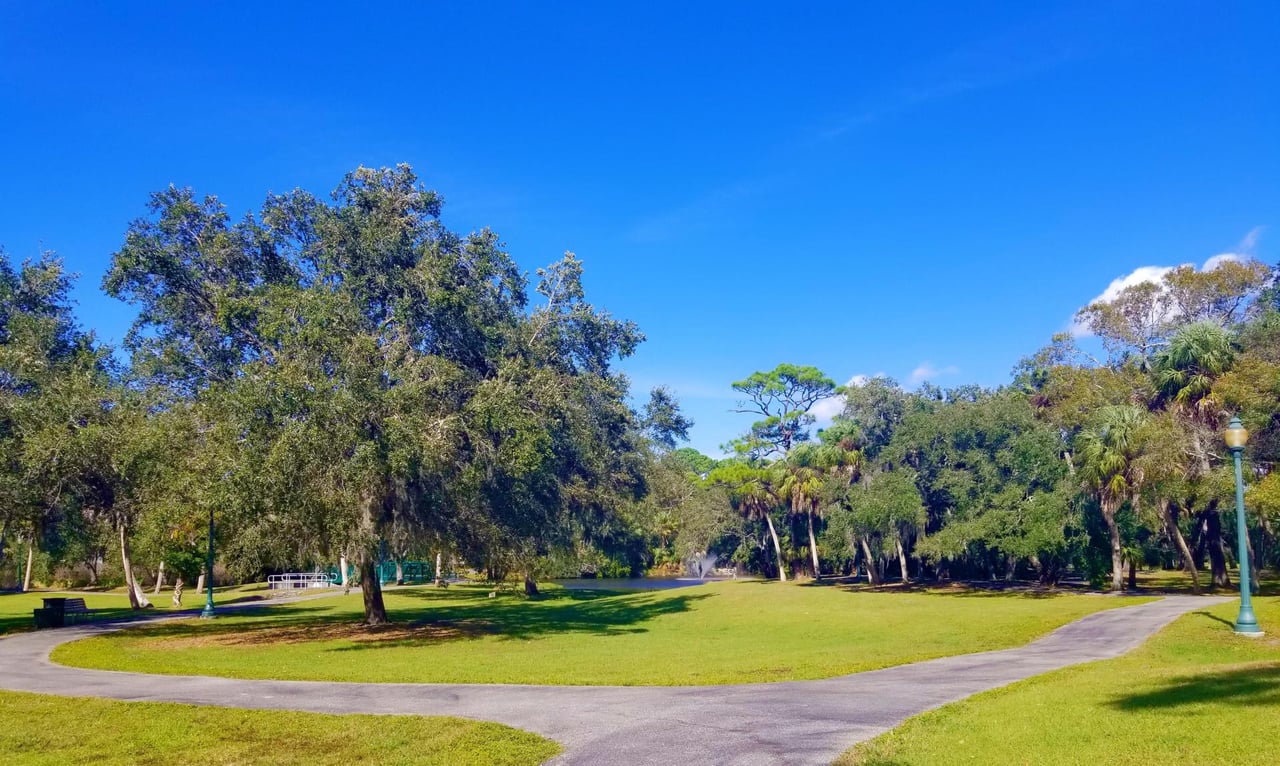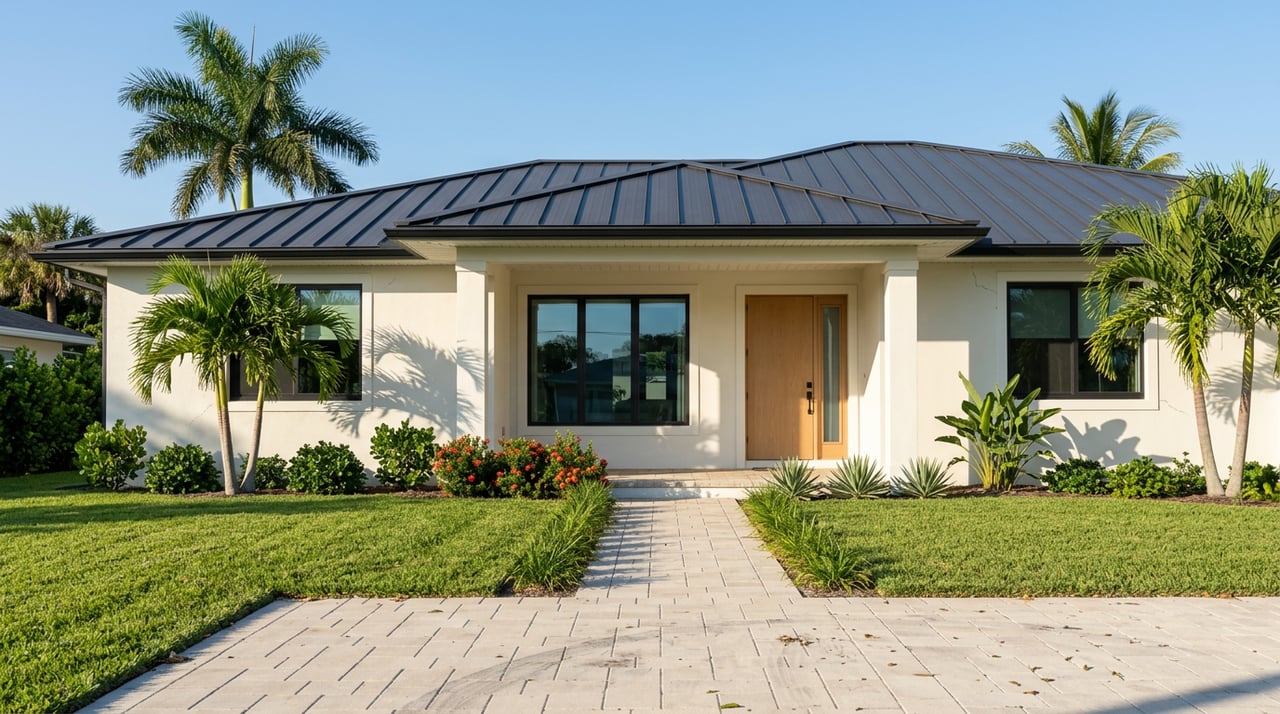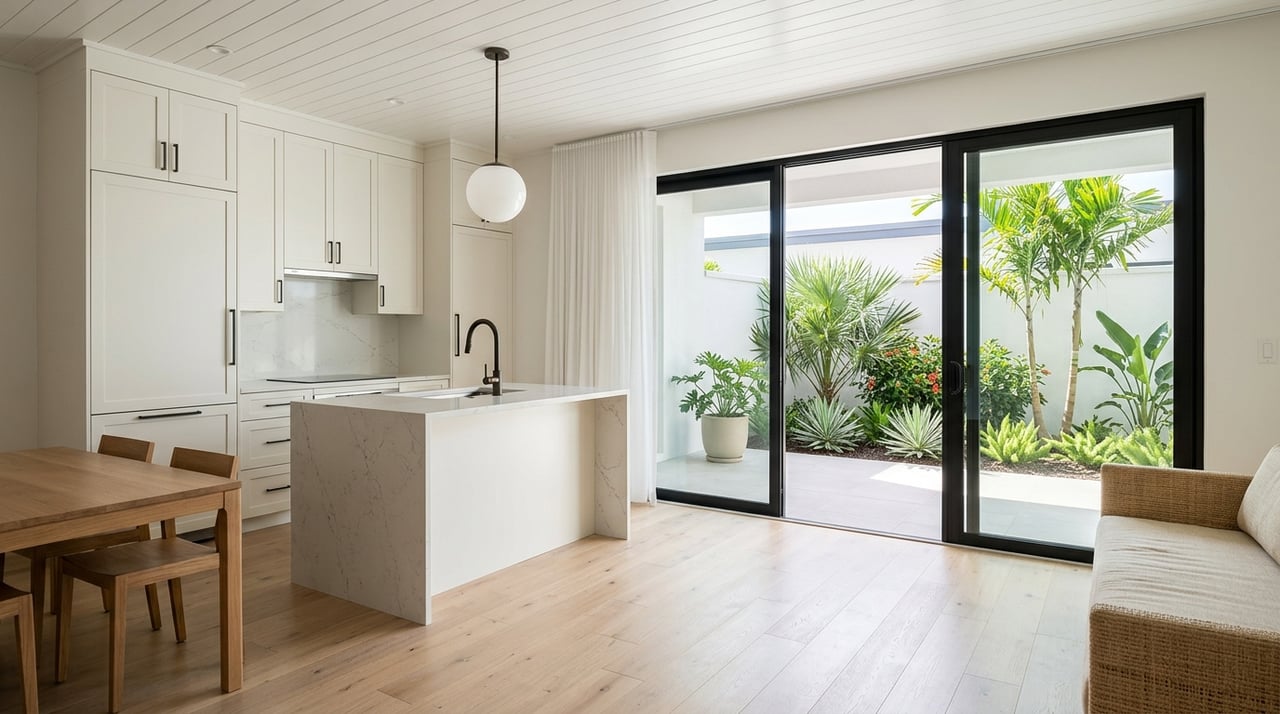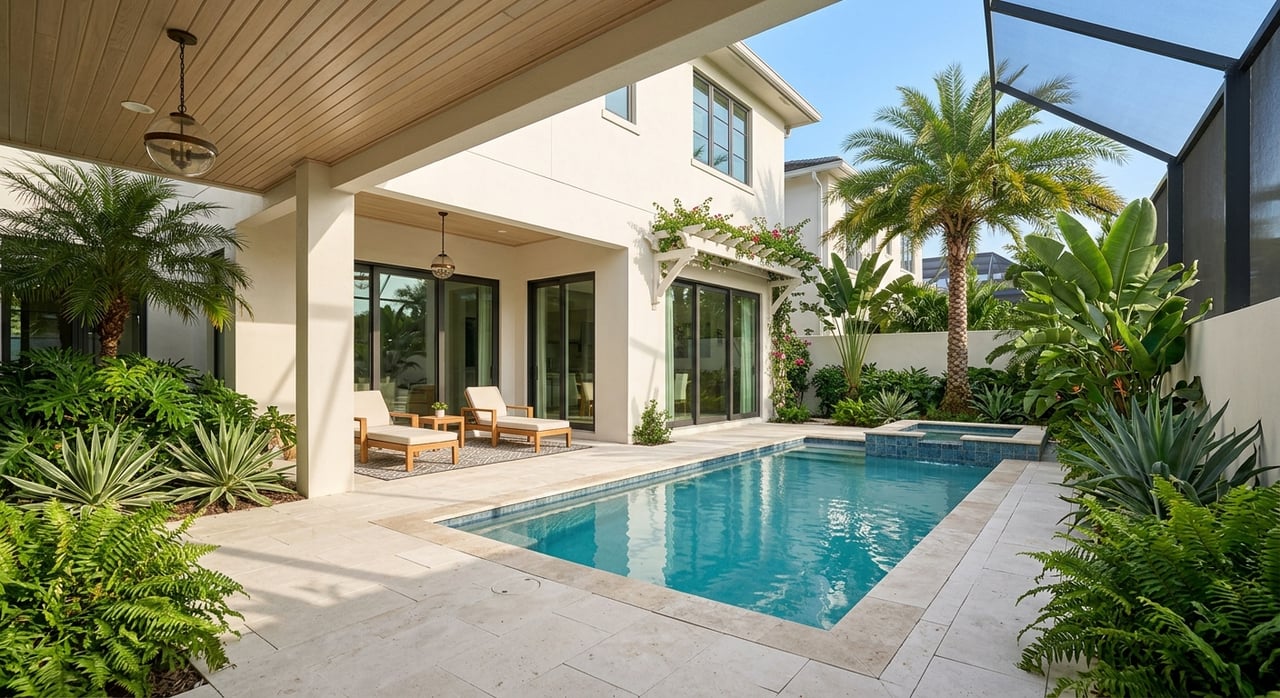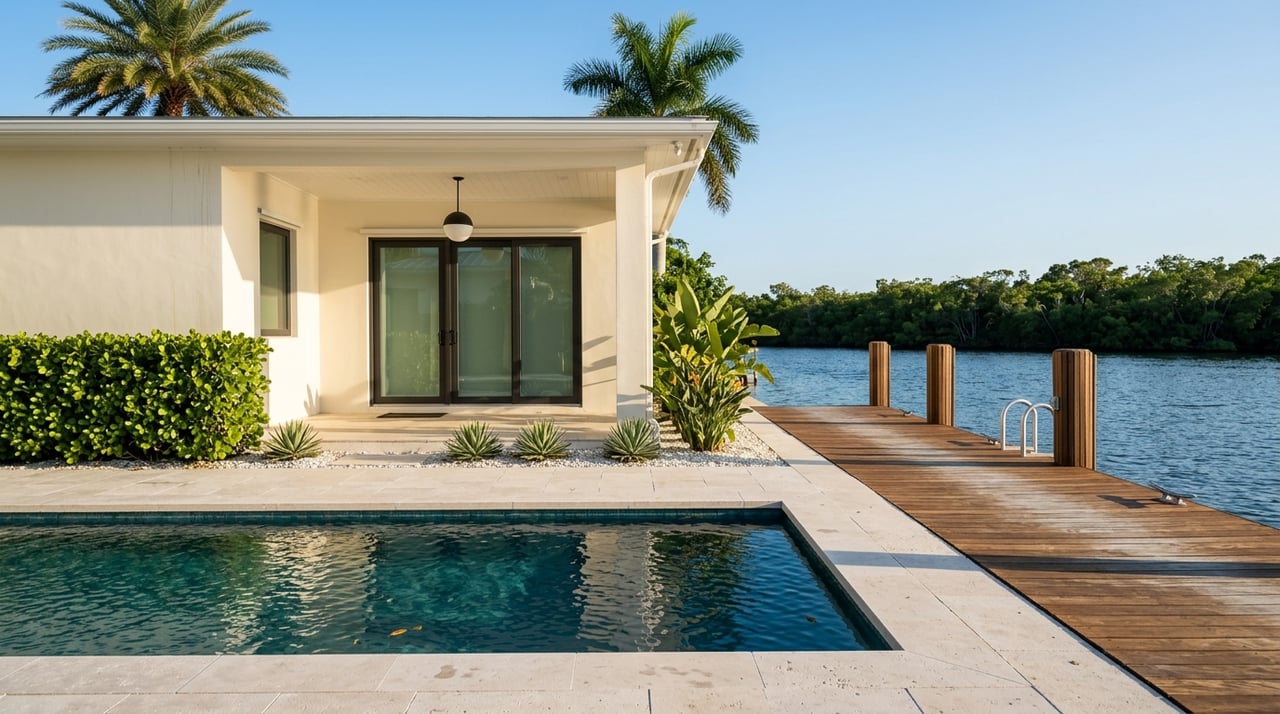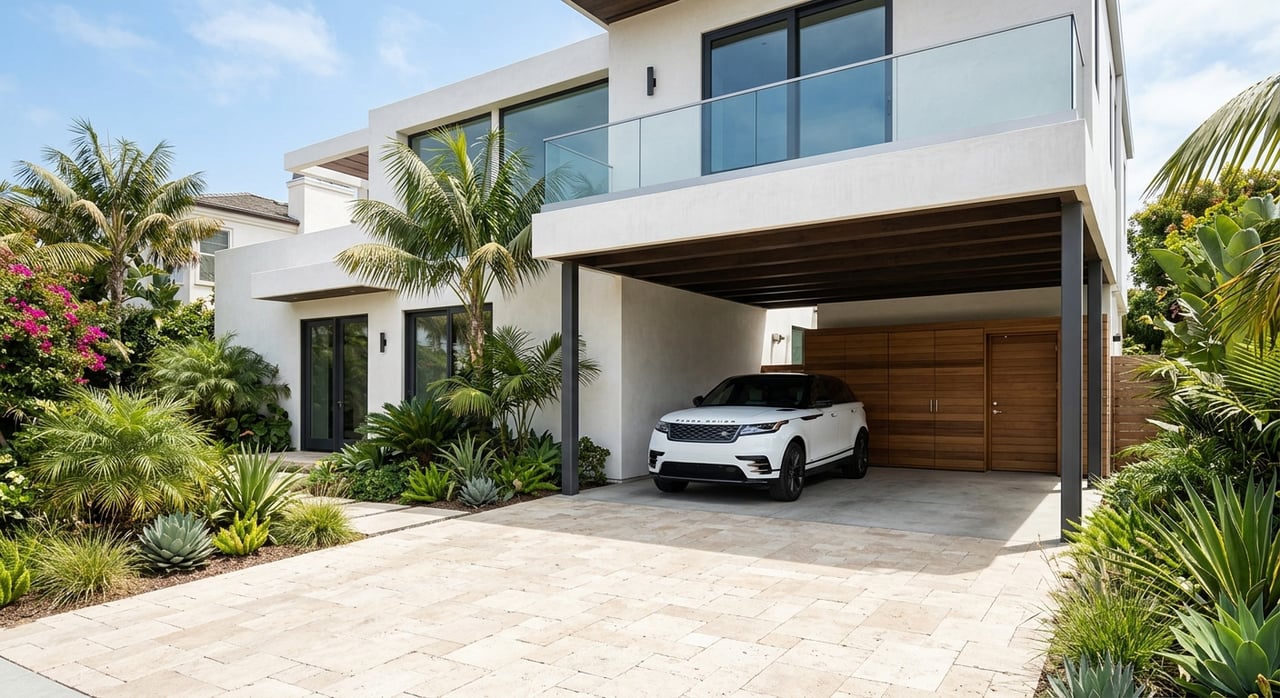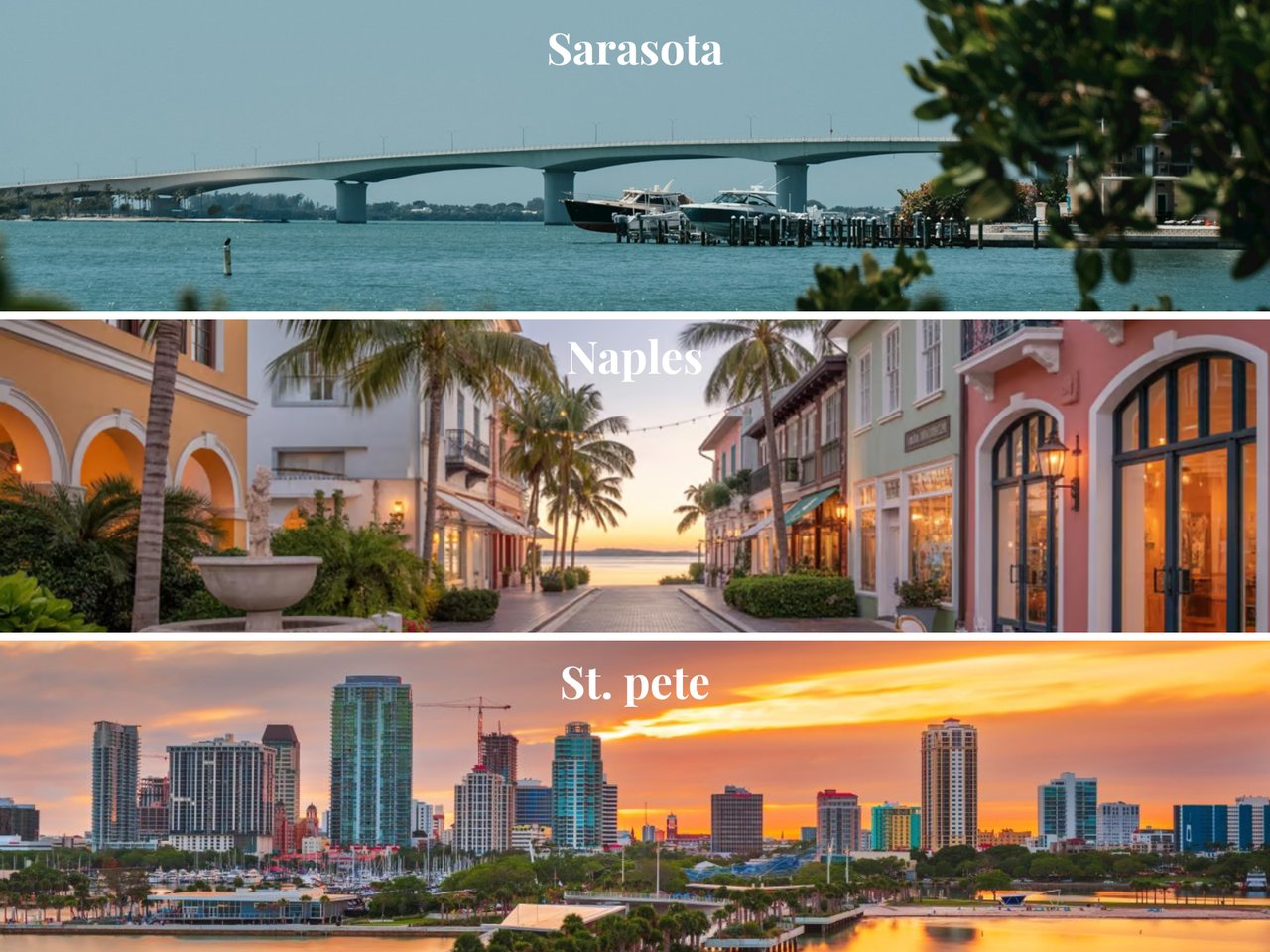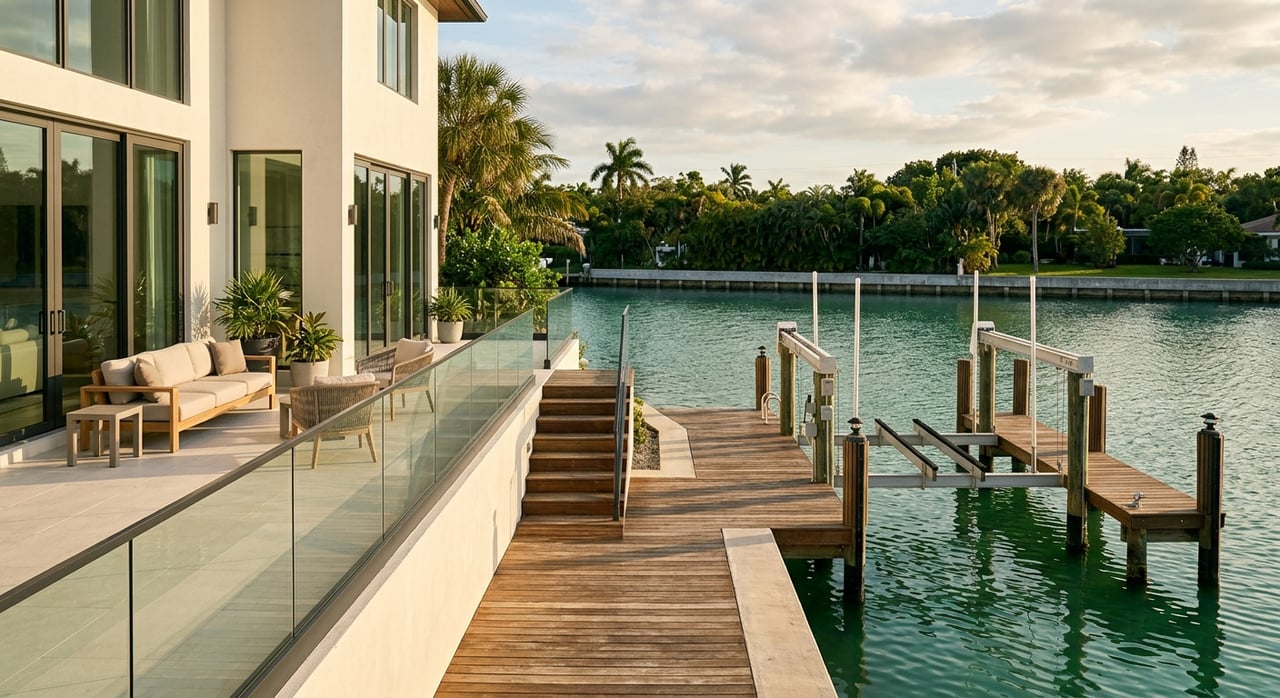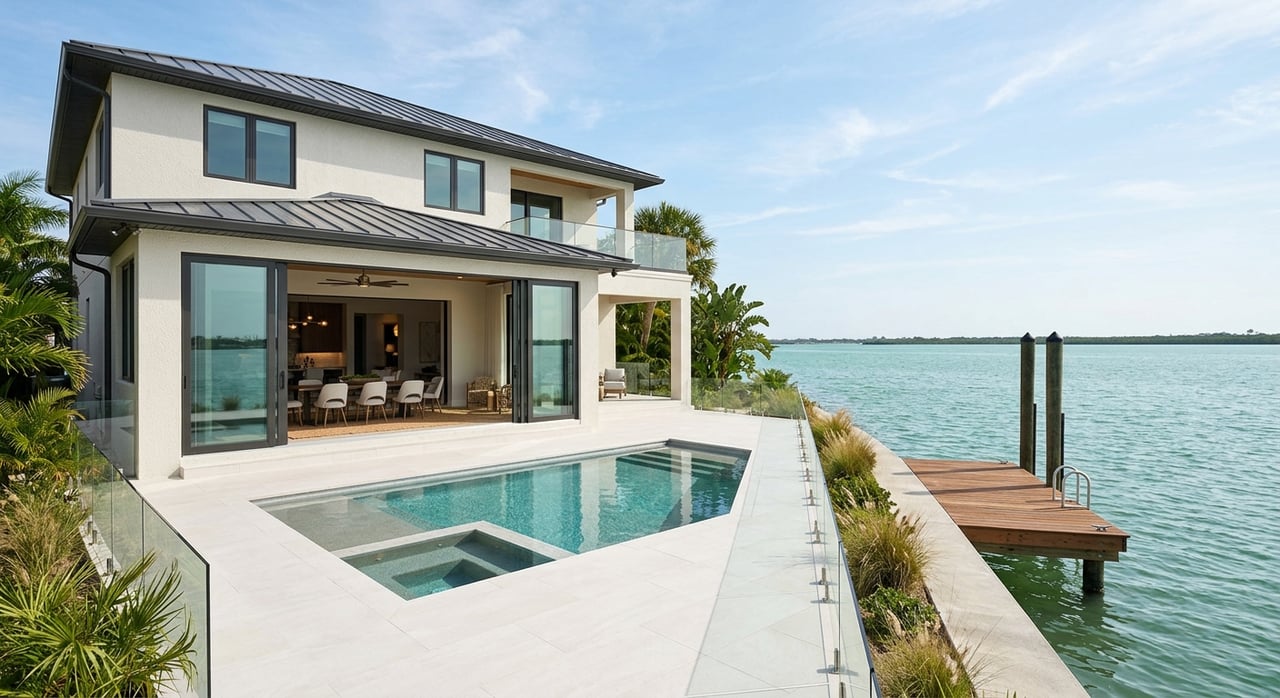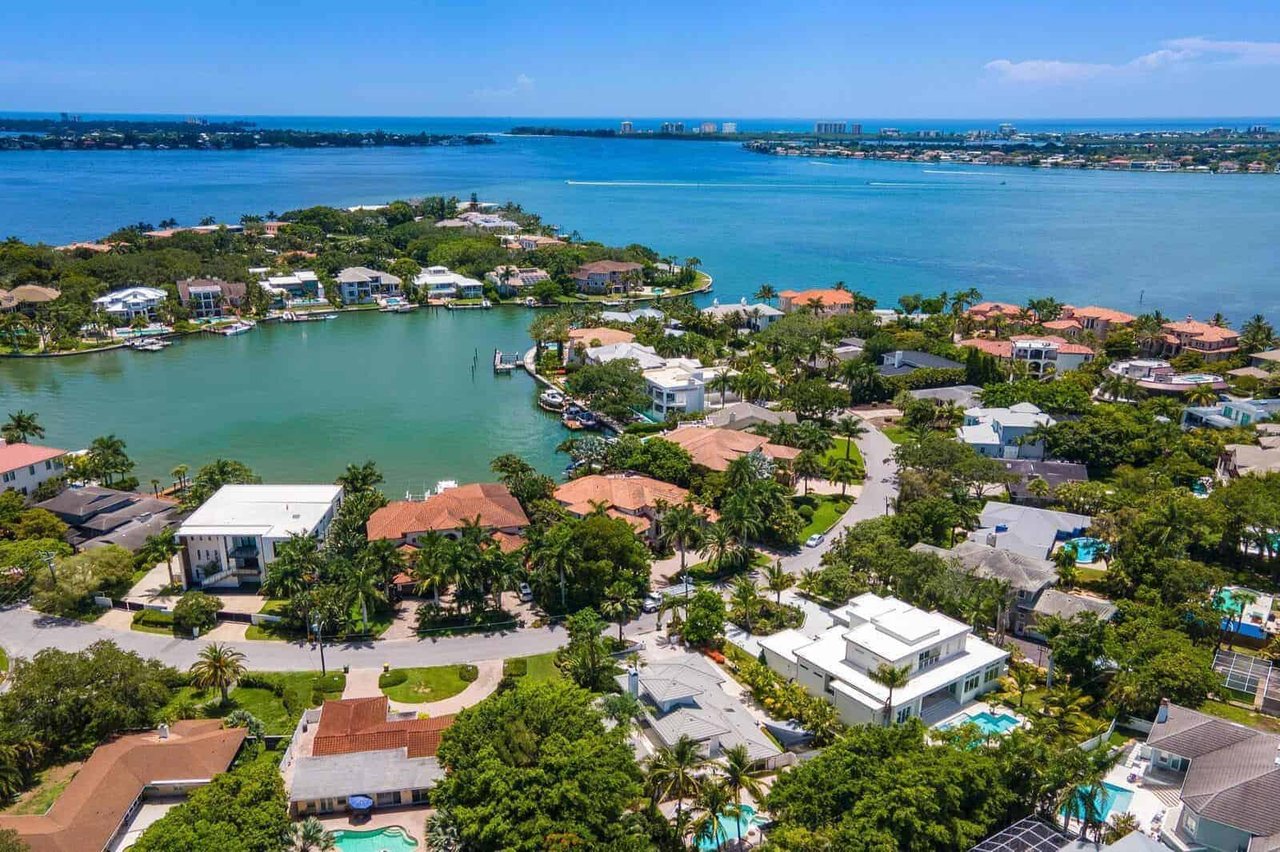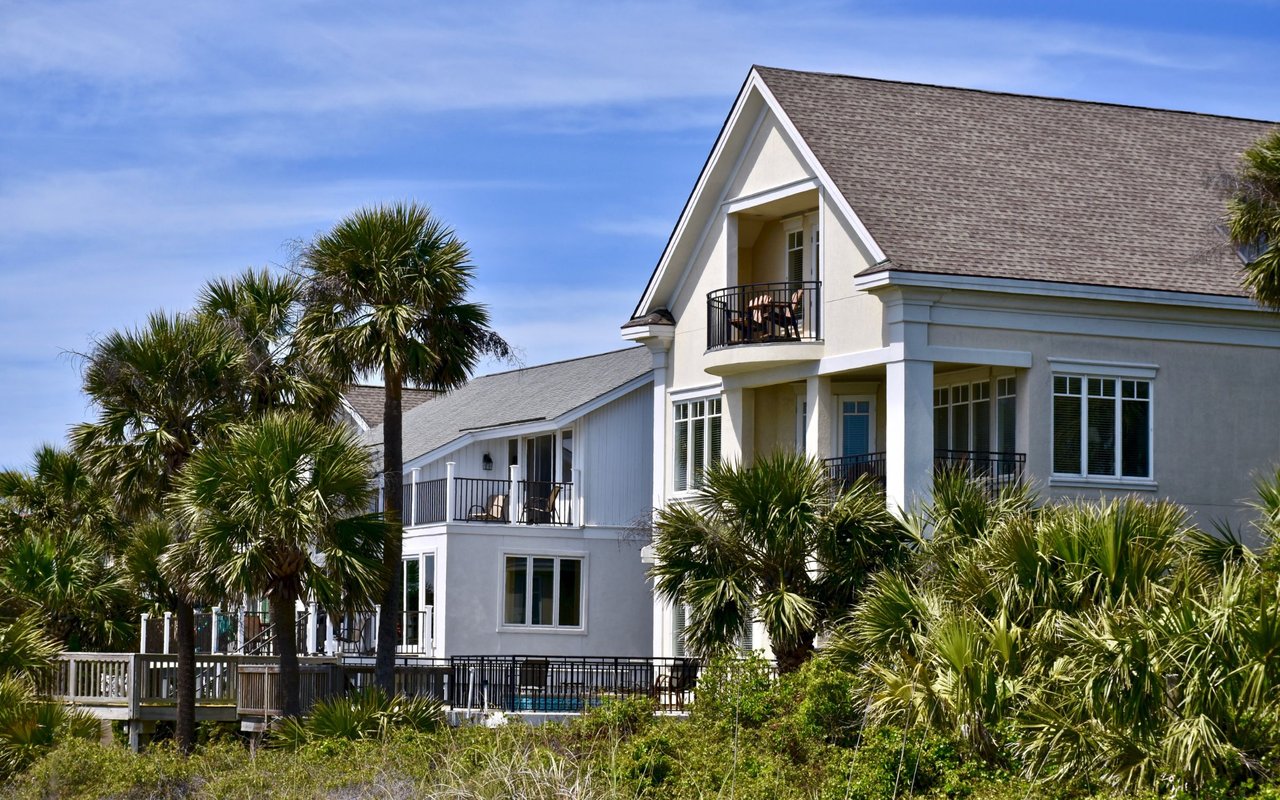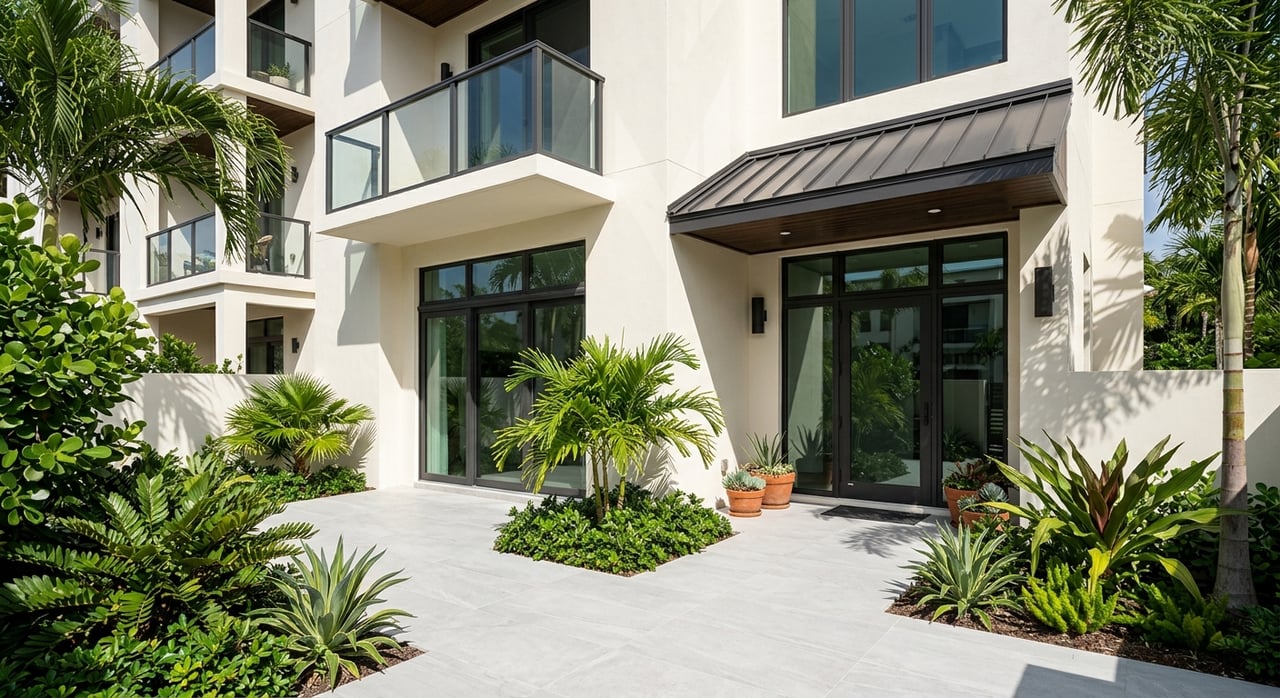
If you are looking at rental property near Venice beaches, demand is not just about being close to the water. In Venice, the real draw is often the mix of beach access and downtown convenience in one stay. That matters whether you are exploring a seasonal condo, a small house, or a property you hope to use as a short-term rental. This guide will help you understand what drives rental demand in Venice, what seasonality looks like, and what you should verify before you buy. Let’s dive in.
Why Venice attracts renters
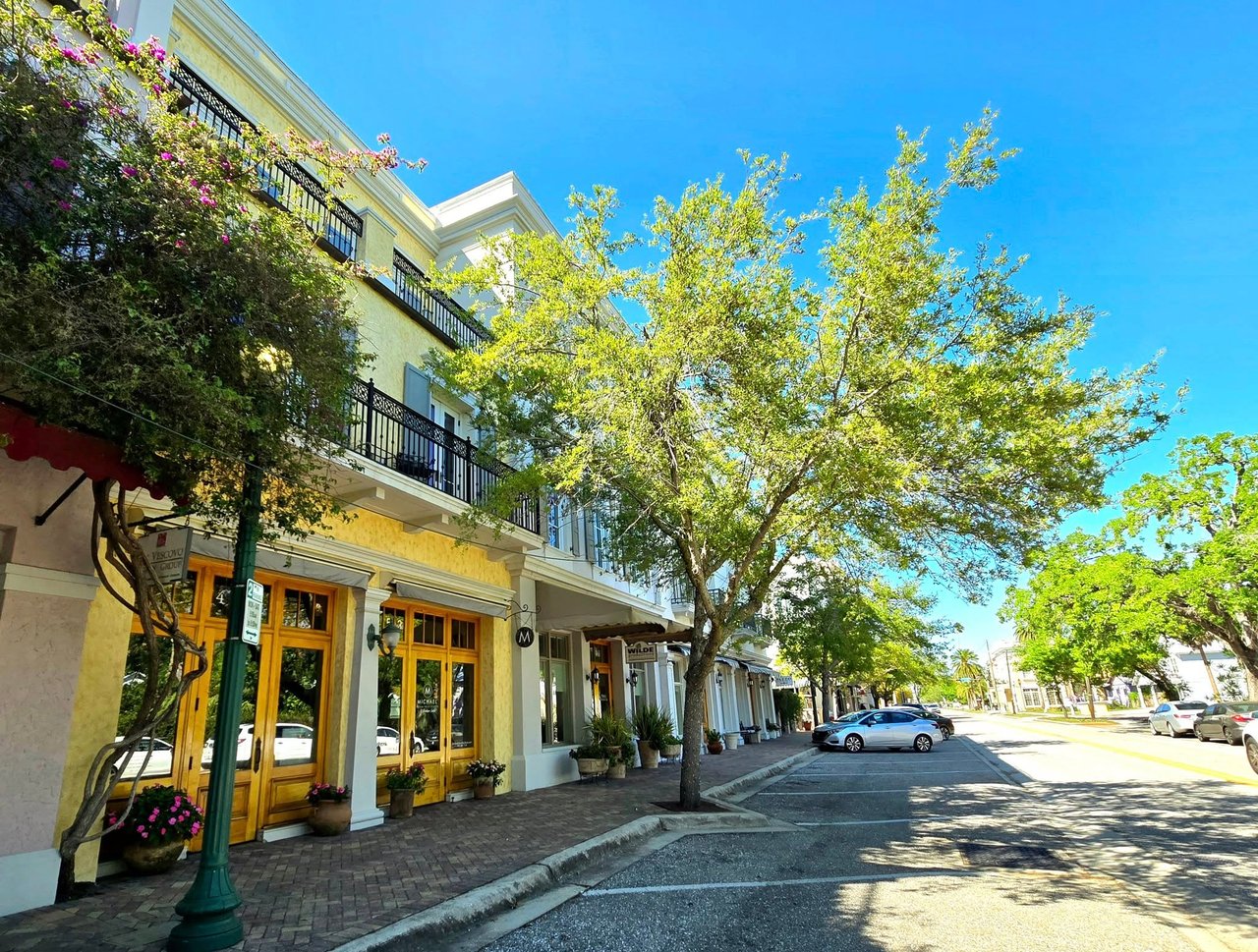
Venice stands out because visitors can pair time at the beach with easy access to the city's historic downtown. Venice Beach is a certified Blue Wave Beach and sits within walking distance of downtown Venice, where visitors will find restaurants, shops, bars, free parking, and walking-tour appeal. For many travelers, that creates a simple and appealing setup: one home base for both relaxing beach days and casual evenings out.
That pattern shows up in county tourism data too. According to Visit Sarasota County's FY 2024 tourism report, beach visits and restaurants are among the top visitor activities, and Venice appears as a distinct stop in the county travel pattern. The same report notes that 61% of direct visitor spending went to accommodations and restaurants, which supports the idea that location near both the beach and dining matters in this market.
The City of Venice also frames tourism as an important part of the local economy. In its federal legislative priorities, the city points to beach renourishment as an economic driver and notes that utilities serve both permanent residents and a tourist and seasonal population. That is a helpful reminder that Venice is not just a residential community. It is also an active visitor destination.
What drives rental demand near Venice Beach
The clearest demand story in Venice is the overlap between walkability, beach access, and short-stay appeal. When a guest can walk or take a short trip to the beach, then spend the evening downtown, a property often fits the area's visitor pattern well. That can make certain locations easier to position for rental demand than properties that are farther inland.
County data gives that idea more support. The FY 2024 report shows 2.894 million visitors, 3.28 million room nights for paid-accommodation visitors, 64.8% occupancy among paid accommodations, and an average stay of 6.3 days. Those figures suggest a steady leisure market with meaningful demand for both short stays and furnished seasonal rentals.
Visitor mix matters too. The same county report shows an average party size of 2.9 and a visitor profile that skews toward couples and families, with an average head-of-household age of 55. For an investor, that points to a market where comfort, convenience, and location can be just as important as size alone.
Seasonality shapes the Venice rental market
Rental demand near Venice beaches is not flat throughout the year. Visit Sarasota County's seasonal guide describes winter as the main snowbird period, with spring and autumn serving as strong shoulder seasons. It also notes that peak season generally runs from January through April, while the quieter value period is after July 4 through September.
In practical terms, that means winter and early spring tend to be the strongest periods for nightly, weekly, and seasonal rental demand. Summer may still attract visitors, but it often becomes the more price-sensitive stretch of the calendar. If you are underwriting a deal, seasonality should be part of your assumptions from the start.
This also affects how you think about furnishing, lease terms, and expected occupancy. A property that performs well with monthly snowbird stays may not be the same property that works best for short-stay turnover. Matching the property to the season and the likely guest profile is a big part of getting the strategy right.
Short-term versus seasonal demand
In Venice, the rental conversation often splits into two lanes: shorter transient stays and longer nontransient stays. Florida's vacation-rental guidance explains that renting an entire unit more than three times in a calendar year for periods of fewer than 30 days generally falls into transient public-lodging territory. By contrast, 30-day-or-longer use is treated as nontransient. You can review that framework in the state's vacation rental licensing guide.
Why does that matter? Because a property may be a strong fit for monthly seasonal renters but not for frequent short-stay turnover, depending on the rules that apply. If you are evaluating rental potential near Venice beaches, the stay length you plan to target should shape the property search from day one.
Property types that may fit the market
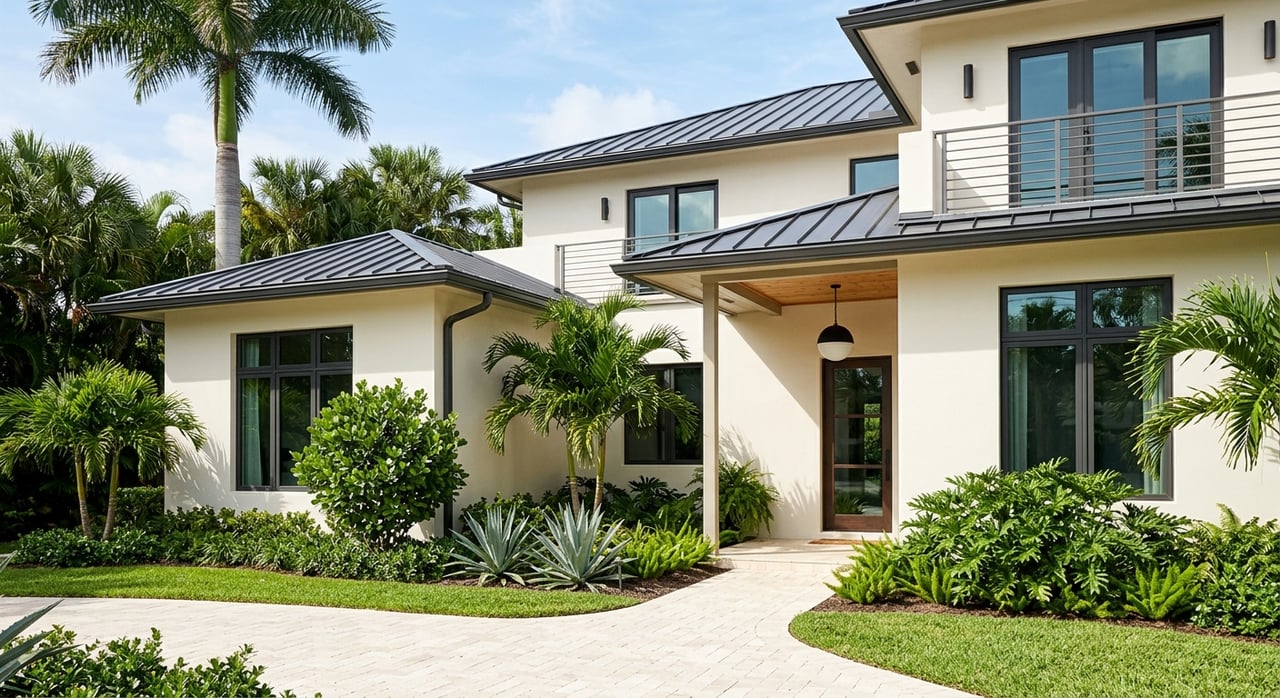
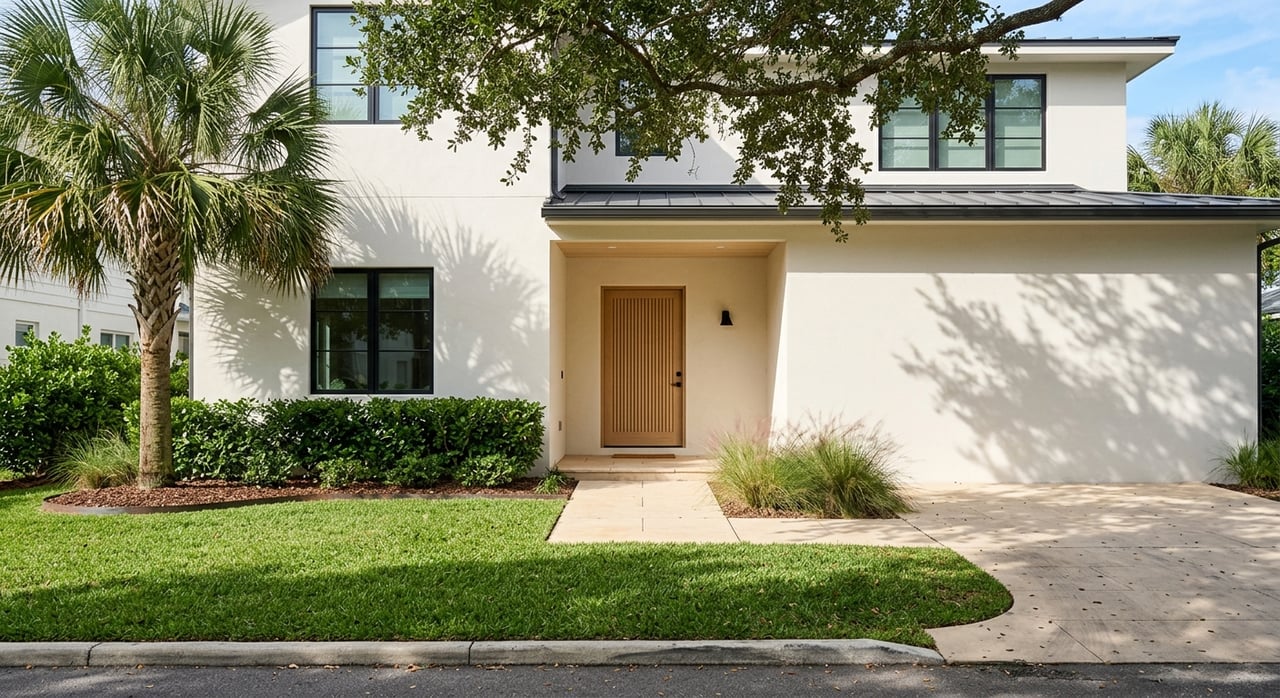
Florida's licensing guide recognizes several property categories that may be used as vacation rentals, including condo units and certain individually or collectively owned single-family homes, townhomes, duplexes, triplexes, and four-unit properties. The same DBPR guide separates these into Vacation Rental–Condo and Vacation Rental–Dwelling classifications.
For buyers, that means the likely inventory near Venice beaches may include:
- Condos
- Single-family homes
- Townhomes
- Small multifamily properties with four or fewer units
Still, the property type alone does not determine rental potential. The better question is whether the home's location, intended stay length, and governing rules all line up with your goals.
Why location still matters most
Not every property with a Venice address offers the same rental story. Based on the tourism and visitor data, the strongest positioning is generally where beach access and historic downtown convenience overlap. Walkable condos and small houses near Venice Beach or downtown are often the most natural fit for the area's visitor pattern.
By comparison, inland properties may need to compete more on price, space, or longer stays. That does not make them bad investments. It simply means the demand strategy may be different, and your underwriting should reflect that reality.
The due diligence buyers should do first
Before you buy with rental income in mind, there are three core questions to answer.
Verify the jurisdiction
The first step is confirming where the property actually sits. The City of Venice warns that many properties with a Venice mailing address are not inside city limits and directs buyers to request zoning verification information through the city. That makes jurisdiction a key first checkpoint.
If the parcel is outside the city, a different local framework may apply. For investors, that means you should never assume the mailing address tells the full story.
Review condo or HOA documents
The second step is reviewing association control. Florida condo law requires disclosure of unit-use restrictions, including leasing restrictions, and those powers are shaped by statute and the recorded governing documents. You can see that disclosure framework in Florida Statute 718.504.
In practice, you should review:
- The declaration
- The bylaws
- Association rules
- Any rental addendum or lease-related language
This is where minimum lease terms, guest rules, parking limits, occupancy caps, or approval requirements may appear. Those details can have a direct effect on revenue and flexibility.
Confirm licensing classification
The third step is confirming how the intended rental use fits Florida's licensing process. DBPR states that when an entire unit is rented more than three times in a calendar year for periods of fewer than 30 days, vacation-rental licensing may apply. The same state guide notes that each rental unit address must be submitted through the license holder's online account.
That is one reason the exact property matters more than the neighborhood label. Two homes in the same broad area may have very different rental potential once the address, classification, and governing documents are reviewed.
Questions to ask before buying
If you are considering a rental-focused purchase near Venice beaches, start with these practical questions:
- Is the parcel inside the City of Venice or in unincorporated Sarasota County?
- Is the property a condo, an HOA property, or neither?
- Do the recorded documents allow the rental term you want to pursue?
- Would your plan fall under Florida's vacation-rental classification?
- Are there minimum lease terms, occupancy caps, parking rules, or guest-approval steps that could affect performance?
These questions may sound simple, but they can shape everything from projected income to exit strategy.
What this means for investors
Venice rental demand is real, but it is also specific. The strongest opportunities are often tied to properties that match the city's winter-heavy visitor cycle and offer easy access to the beach and downtown experiences guests already seek out. The market story is less about chasing any one property type and more about matching location, stay length, and community rules to actual demand.
If you are buying for rental income, a well-located property near Venice Beach or historic downtown may offer the clearest fit for the area's visitor pattern. If you are looking farther inland, the investment may still make sense, but the strategy may lean more on value pricing, seasonal stays, or year-round tenancy.
If you want help evaluating Venice opportunities through both a lifestyle and investment lens, The LaMaida Group can help you compare property types, review location tradeoffs, and approach your search with clear local context.
FAQs
What drives rental demand near Venice Beach in Florida?
- Rental demand near Venice Beach is largely driven by the combination of beach access and walkability to historic downtown Venice, where visitors can also reach restaurants, shops, and attractions.
When is peak rental season in Venice, Sarasota County?
- Peak rental season generally runs from January through April, with winter serving as the main snowbird period and spring and autumn acting as popular shoulder seasons.
What types of properties can work as rentals near Venice beaches?
- Depending on the property's rules and classification, options may include condos, single-family homes, townhomes, and small multifamily properties with four or fewer units.
What should buyers verify before purchasing a Venice rental property?
- Buyers should confirm the property's jurisdiction, review any condo or HOA leasing restrictions, and determine whether the intended rental use fits Florida's licensing and classification rules.
Do all Venice mailing addresses fall inside the City of Venice?
- No. The City of Venice notes that many properties with a Venice mailing address are not actually within city limits, so buyers should verify jurisdiction before making assumptions about rental use.
How do Florida rental rules affect Venice investment property decisions?
- Florida distinguishes between shorter transient stays and 30-day-or-longer nontransient stays, so the rental term you plan to offer can affect licensing, compliance, and the type of property that best fits your strategy.